The former tobacco factory
The story of Masseria Quartararo and its transformation into a Museum.
HISTORY
From farmhouse to tobacco factory, a symbolic place that preserves stories of work.
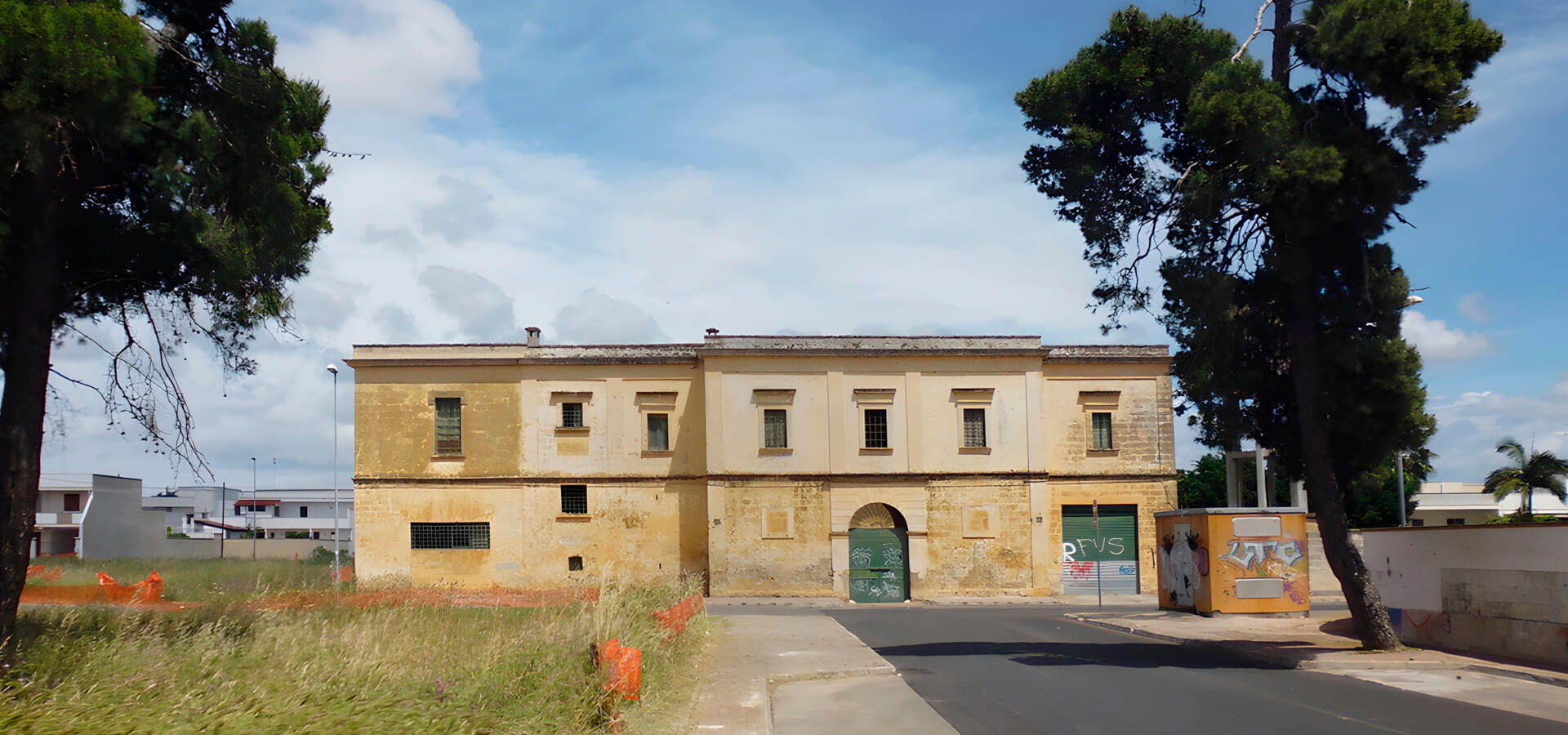
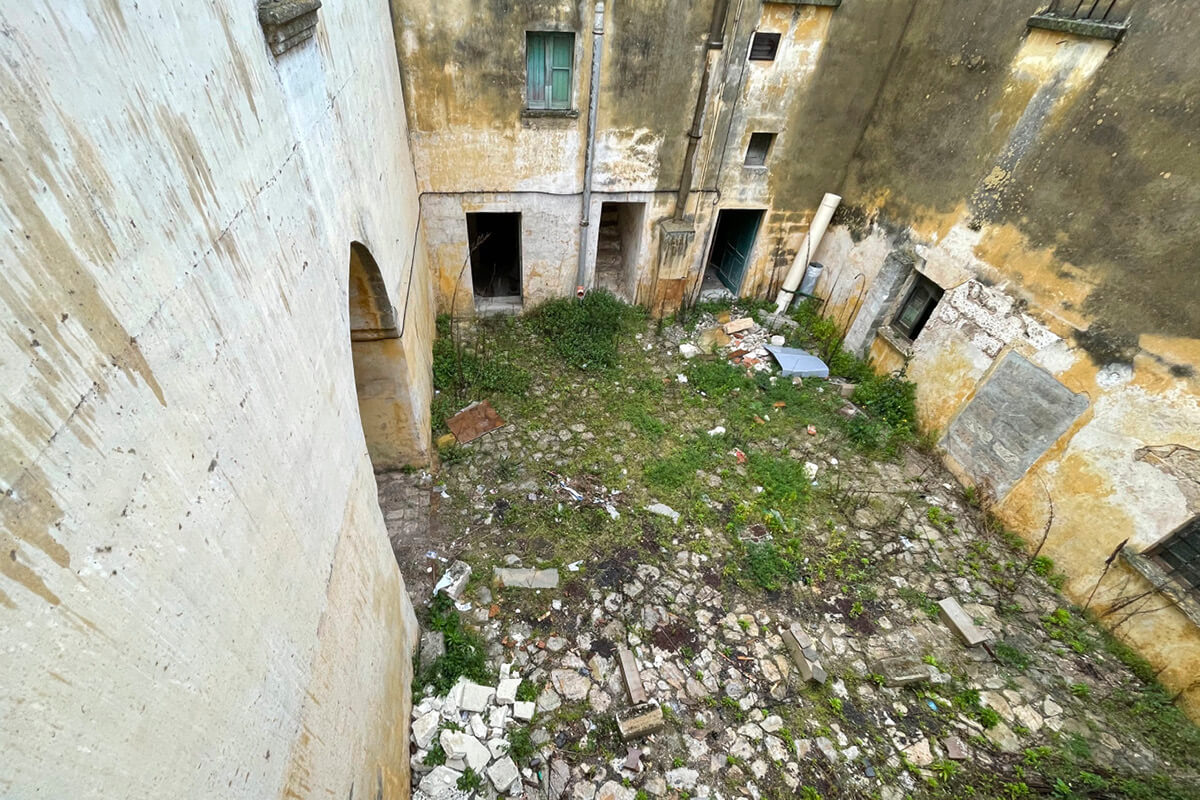
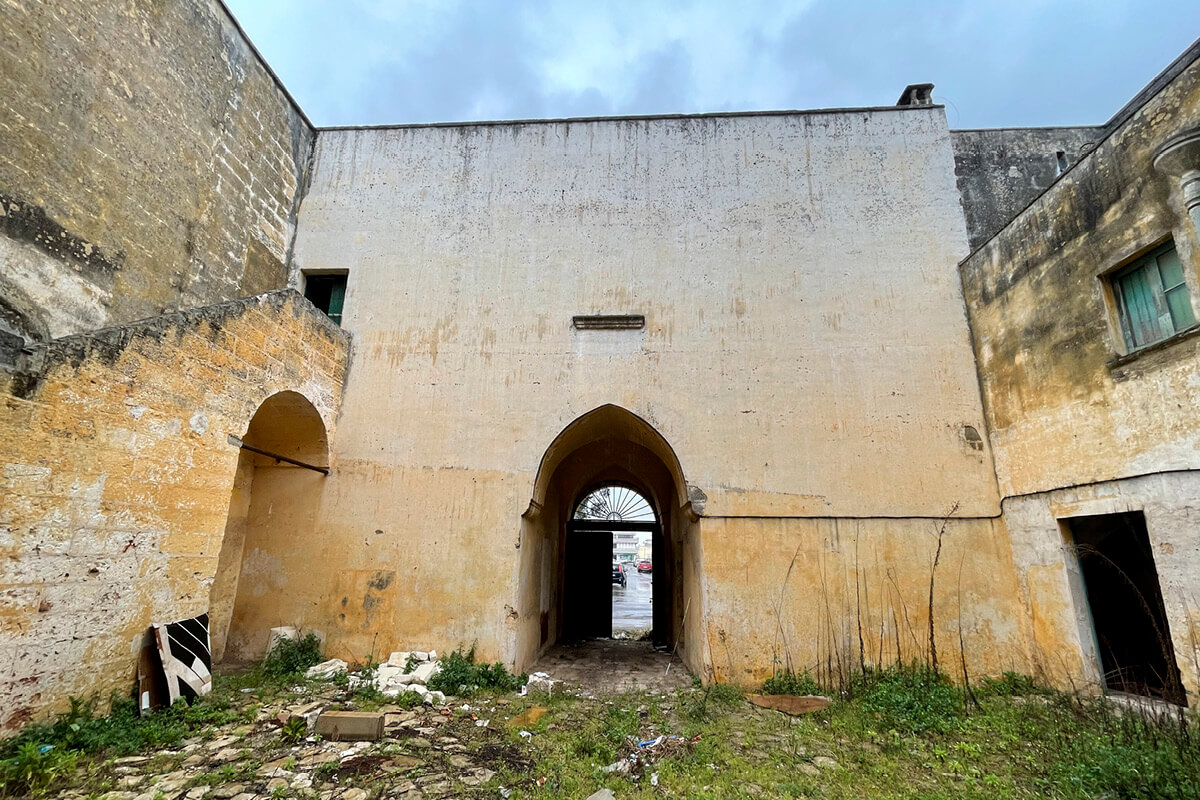
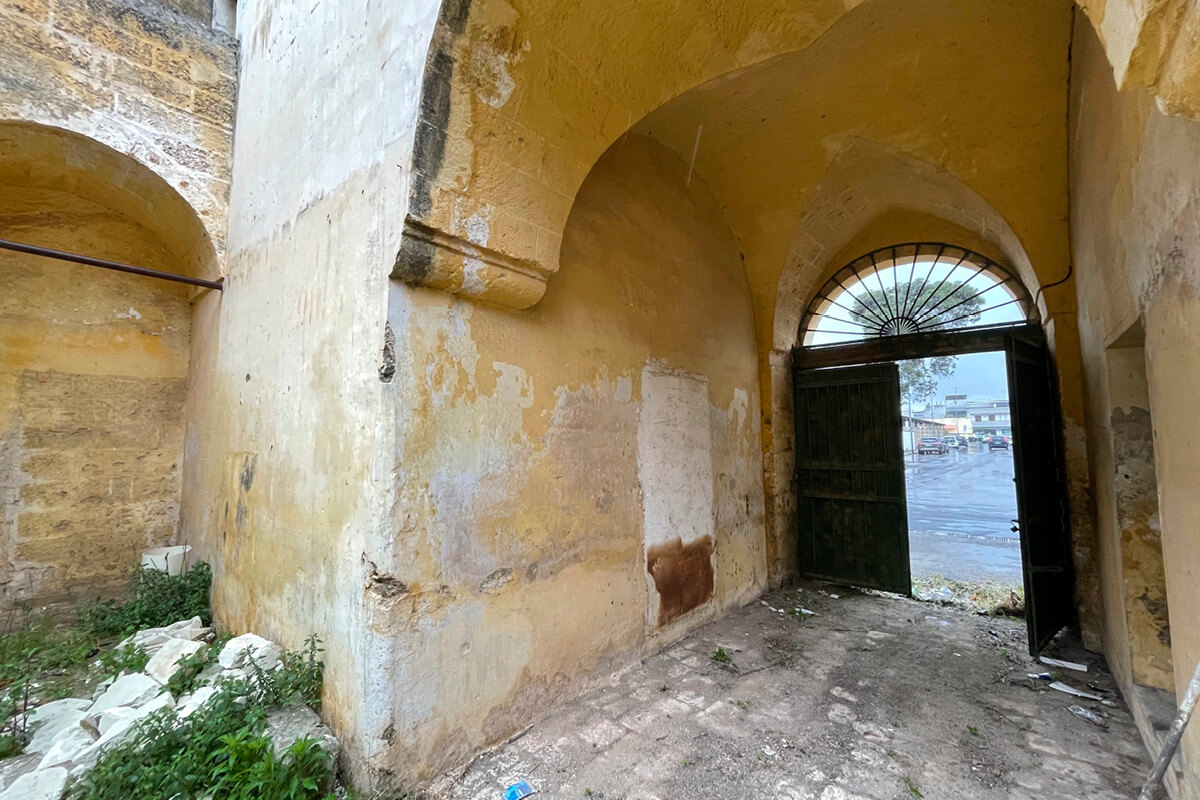
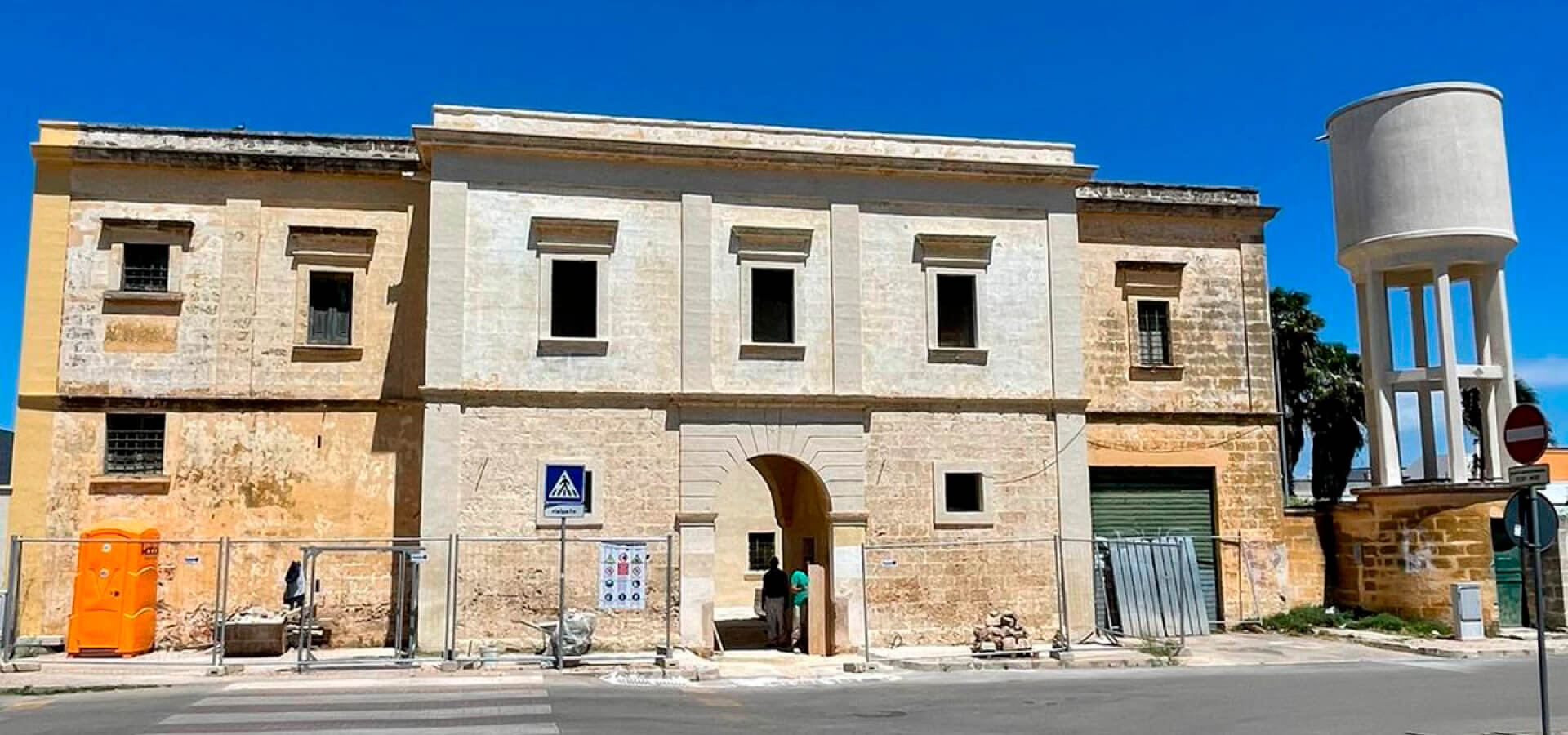
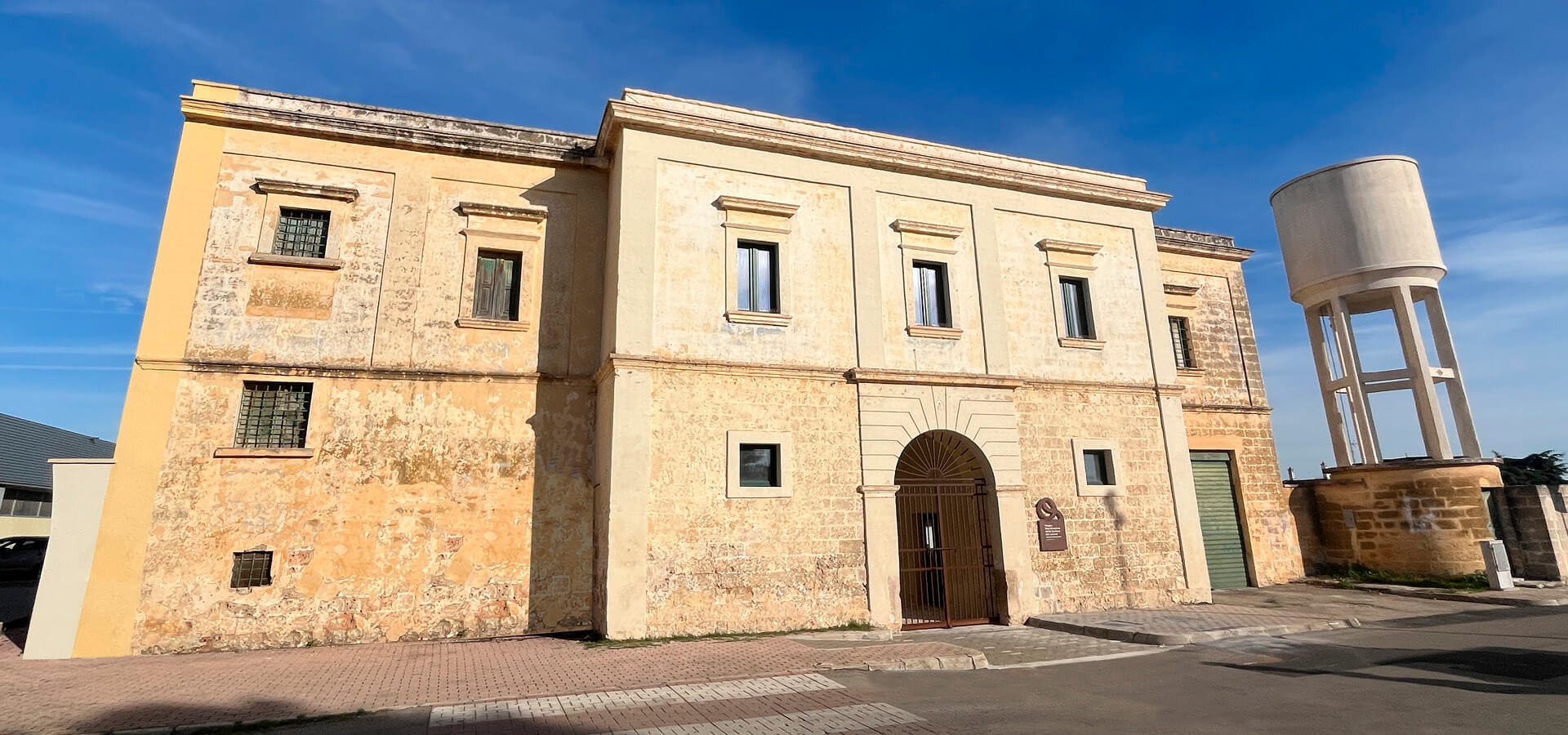
The Museum of Working Culture is located within the former tobacco factory Masseria Quartararo. The original structure of the building can be dated between the late 1800 and the early 1900; at the time the Masseria was part of an entirely agricultural setting, with a typical closed courtyard, accessible only though the large entrance arch, designed to accommodate the passage of carts. Over the years, its uses have changed along with the change of agricultural crops, becoming a tobacco factory in the 1930s, and then losing importance with the progress of urbanization and the consequent reduction of land available for agriculture. After 1980, with the development of Quartararo district, named after the Masseria, the building became fully incorporated in the urban fabric.
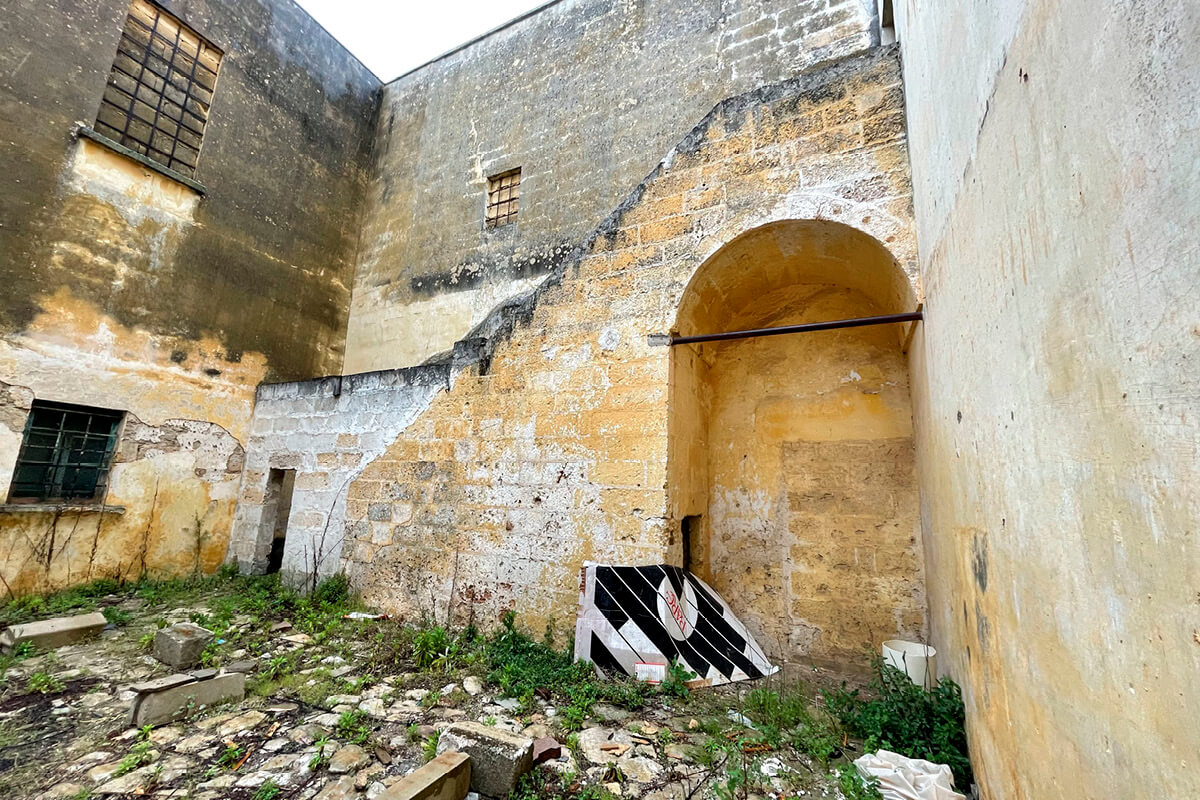
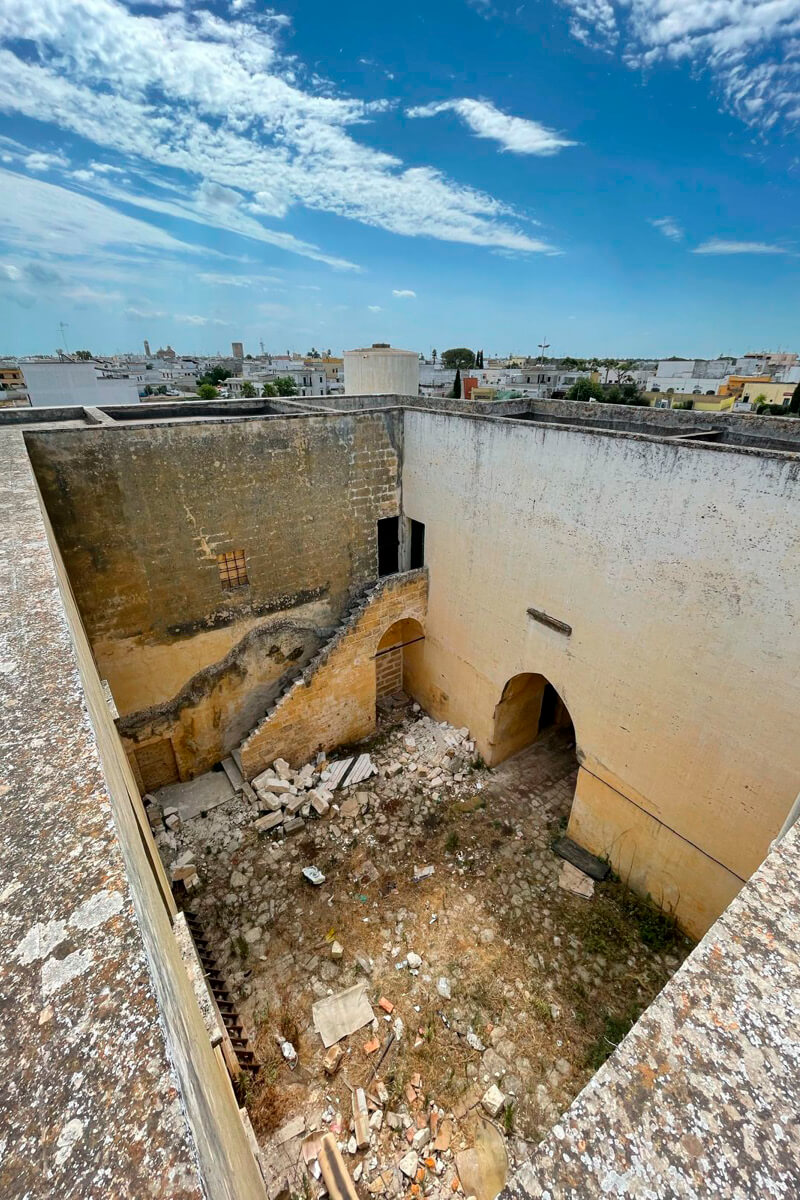
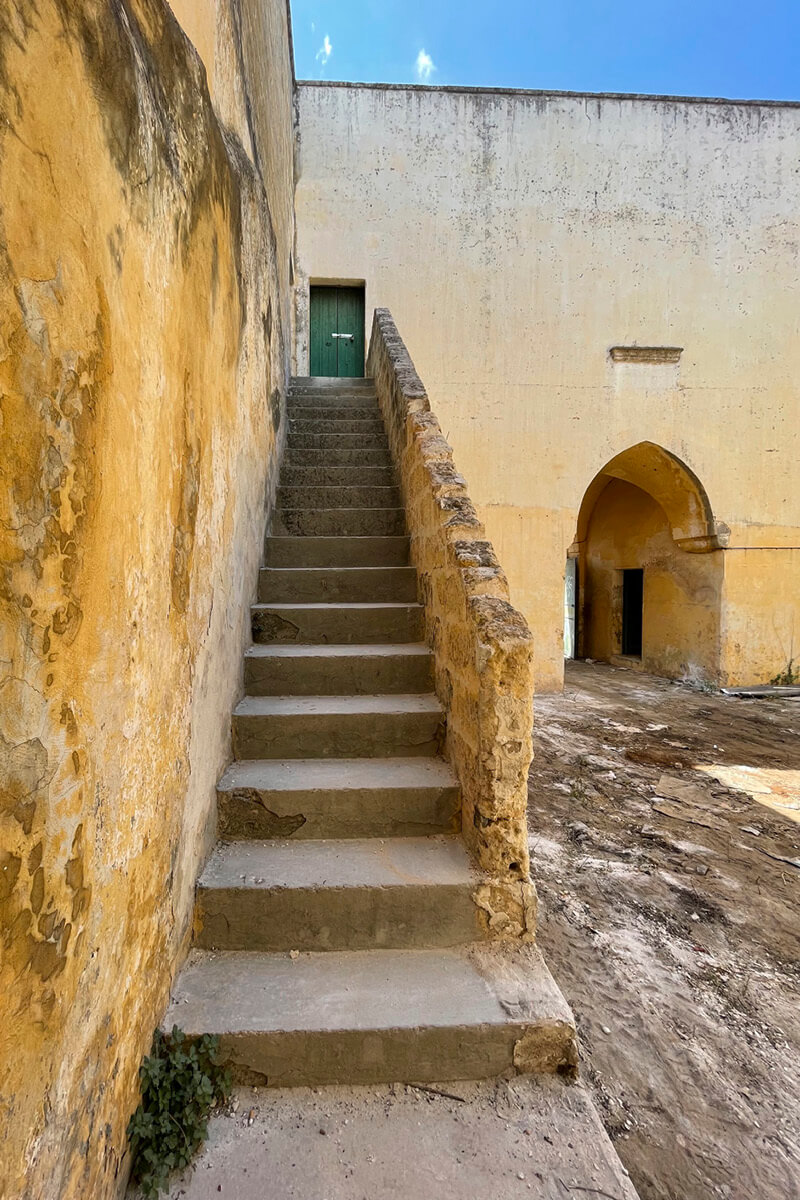
the existing conditions as of 2021
The Masseria risked demolition in the new millennium to make way for a mall parking lot; thanks to the commitment of Leverano citizens, who recognized the building’s value, and to the attentiveness of the Municipal Administration, that supported their proposals, the construction plan was successfully altered and the building was acquired as a public asset, facilitating the creation of the Museum - through national funding provided by the Ministry of Culture.
THE RENOVATION
The Quartararo former Tobacco factory Masseria is in itself tangible proof of the valour of labour, starting with its materials - originated in the Arneo region -, with the “mesci” (maestros), carpenters and masons who built the vaulted ceilings and plasterworks, up to the present workers, who installed the screens which will tell our stories. The wide entrance archway, imposing yet welcoming, merges the interior and the exterior in a dialogue that today is reflected in the building’s new function as a cultural venue, open and capable of welcoming stories and narratives, through technological innovations integrated into the original structure. The paving in the Inner court has been partially replaced to allow greater accessibility, but has been preserved, reusing the flagstone “chianche” in central inserts, in order to preserve the historical value of the materials and increase the courtyard’s functionality and possibilities of use. Going up from the courtyard to the first floor, it is possible to enter the Museum main rooms, where there have been minimal architectural operations which consisted in painting the vaults and walls in anthracite grey, in order to create a darkroom from which the screens open, like windows on the world telling the history and stories of the working world.