Leverano
The local area, the city, the economy.
the local area
“This Fiefdom is plentiful in victuals, wines, oils, saffrons and fruits, however the true marvel are the jujubes, as they are called by the Romans, and excellent Ziziphi fruits, and they grow so abundantly in this land, that they are exported throughout the Kingdom, Italy, and the East, and even throughout Europe.”
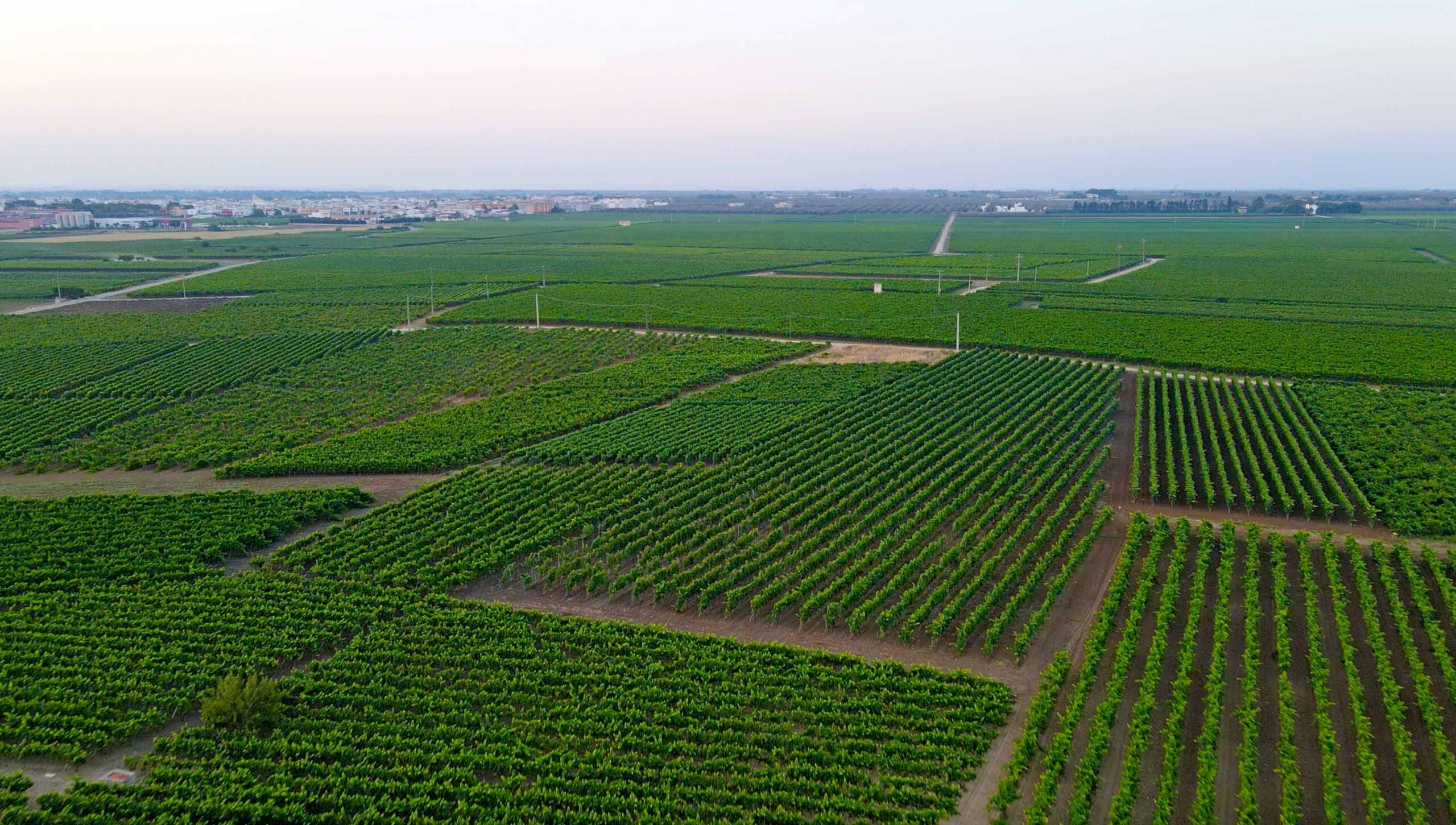
This is how great geographer Girolamo Marciano, who lived in Terra d’Otranto in the 17th Century, describes the Land of Leverano, identifying Leverano as a place of outstanding production since that time, with products capable of making its fame known throughout Europe, even in a time so far removed from global commerce. Arriving in Leverano means experiencing a slice of Salento, passing through fields, greenhouses full of flowers and vegetables, and vineyards, far enough from the sea and beaches—only 10 km away—to ensure both peace and a temperate climate in every season.
the city
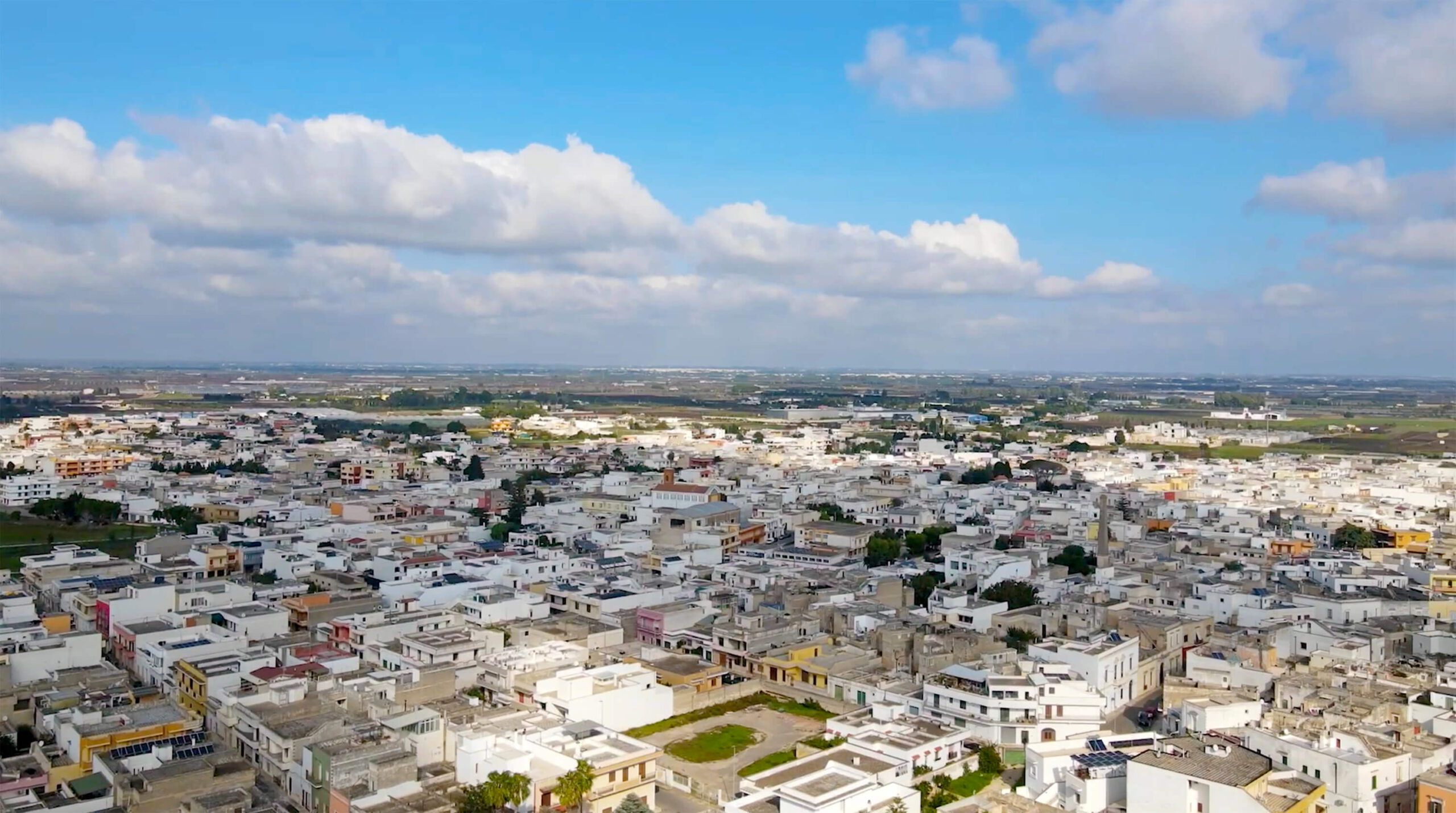
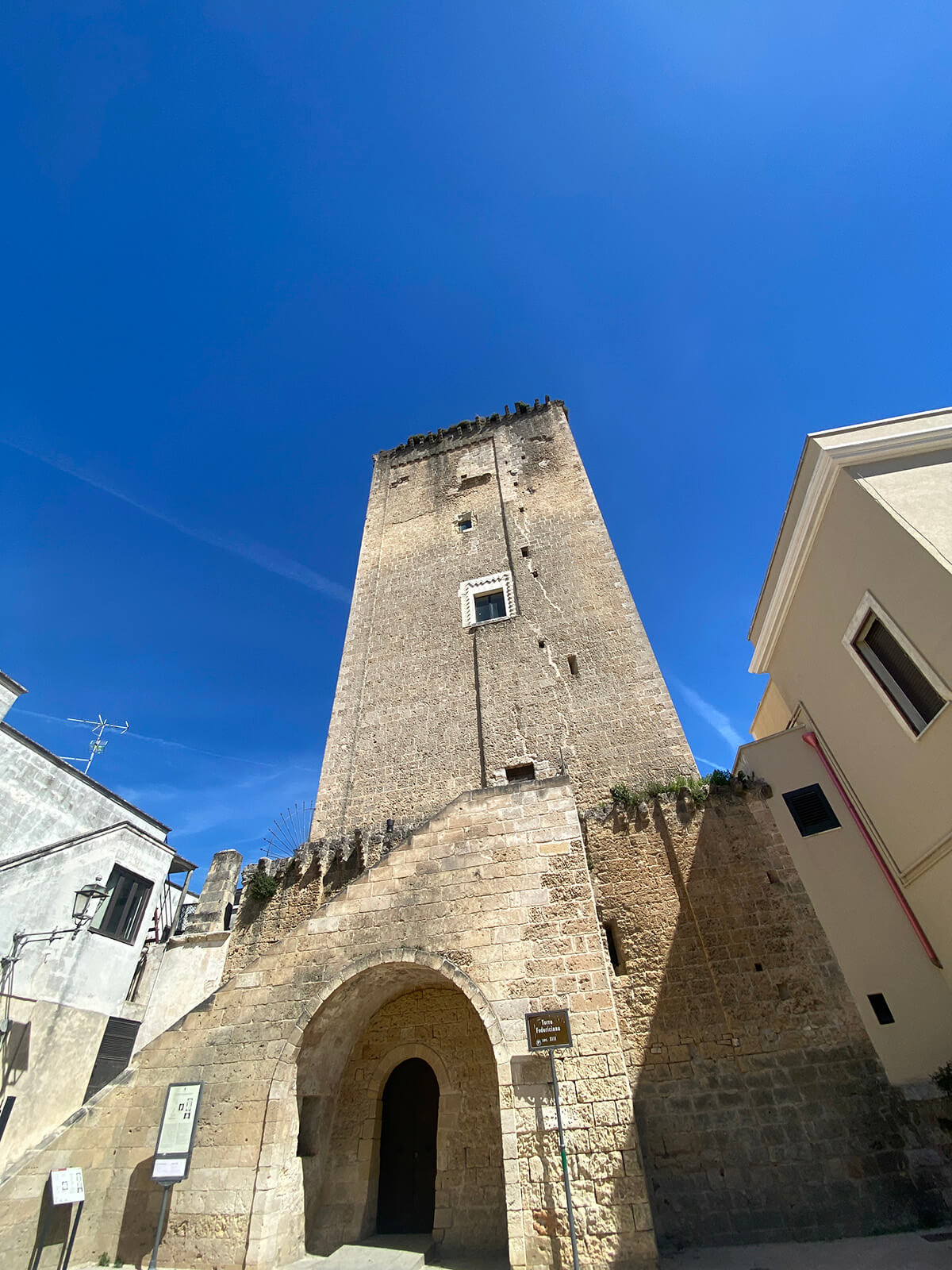
Entering the city, one has the impression to be in a town living in the future, with its state-of-the-art wineries, and cutting-edge agricultural crops, although in the city centre beats an ancient heart, ready to reveal itself to the most attentive travelers. The focal point is clearly visible from every direction: the Torre Federiciana (Frederick II’s Tower), a splendid example of Swabian engineering architecture, the tallest in all of Terra d'Otranto soaring with its 28 meters from the base, impresses with its simple elegance, which has been admired from all over Leverano for 800 years.
Starting from the Tower, Leverano’s historic city centre unfolds into countless archways, churches, courtyards and numerous routes equipped with tactile tables for the visually impaired, and QR codes linked with videos and descriptions in Italian Sign Language, to allow easy access to every visitor. Some must-see landmarks are the Mother Church (Chiesa Matrice SS Annunziata) - dedicated to Mary and the Holy Annunciation and built in the late 1500s, presenting a baroque facade with paired and superimposed columns; the 16th century Church of Holy Mary of Grace (Chiesa di Santa Maria delle Grazie) and the adjoining Convent presenting frescoed 17th-century lunettes, depicting scenes from the life of Saint Francis; and finally the Clocktower, still powered by the original 1800s mechanism, that is winded daily.
the economy
The city’s economy is based mainly on excellent agricultural crops, including fine wines, cut flowers, and vegetables. In spring, at the end of May, don't miss Leverano in Fiore, an event that fills the historic center with floral scenographies created by international artists, as well as the “Festa del Novello”which takes place at the beginning of November, where the first bottles of the vintage are uncorked, accompanied by traditional gastronomic products from all over Apulia. The same hospitality can be found in every season in the numerous accommodations, which offer traditional and gourmet cuisine, made with unique products grown locally, such as the meloncelle, served with the extraordinary wine of Leverano, which has won awards all over the world.